
Feeding is an essential part of life and therefore heavily impacts a child’s growth and development. For 7% of the child population mealtimes are a very stressful situation for themselves and their families.
Feeding difficulties can vary from mild to severe. Some children may have trouble chewing or swallowing certain textures, while others may refuse entire food groups due to sensory issues. This can happen for many reasons, including oral motor weakness, sensory sensitivities, medical conditions, or developmental delays. In some cases, a child may have dysphagia, a swallowing disorder that makes eating unsafe.
SLPs assess a child’s feeding skills by observing how they chew, swallow, and manage different food textures. They work closely with families, doctors, and occupational therapists to create a plan that supports the child’s specific needs. Therapy may involve oral motor exercises, introducing new textures gradually, or strategies to help children feel more comfortable with eating. If a child struggles with feeding, early intervention is important. A speech-language pathologist can provide guidance, strategies, and therapy to help children develop safe and healthy eating habits, making mealtimes more enjoyable for everyone.
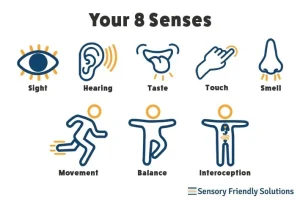
Feeding is the most challenging sensory activity that children do because it requires simultaneously integrating 8 new pieces of information, across each one of our 8 senses, every time we chew.
As we eat:
If you are concerned about your child’s feeding and it’s having a significant impact on their quality of life, or daily family functioning, you can seek support from qualified therapists with training in feeding therapy.
Parents can support their child by making mealtimes relaxed, offering a variety of foods, and encouraging positive eating experiences. Avoiding pressure and allowing children to explore foods at their own pace can help reduce anxiety around eating.
If a child struggles with feeding, early intervention is important. A speech-language pathologist can provide guidance, strategies, and therapy to help children develop safe and healthy eating habits, making mealtimes more enjoyable for everyone.
Feeding is the most challenging sensory activity that children do because it requires simultaneously integrating 8 new pieces of information, across each one of our 8 senses, every time we chew.